Clay Daikoku
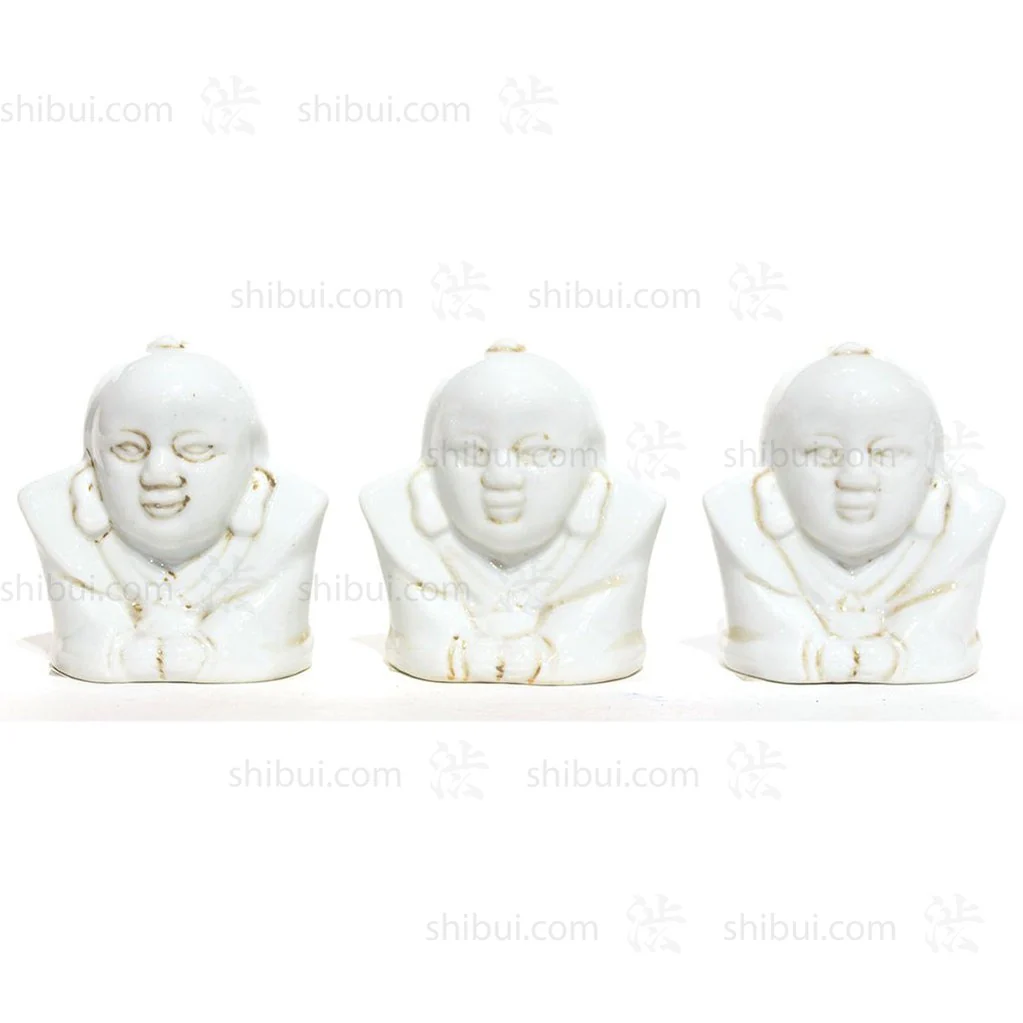
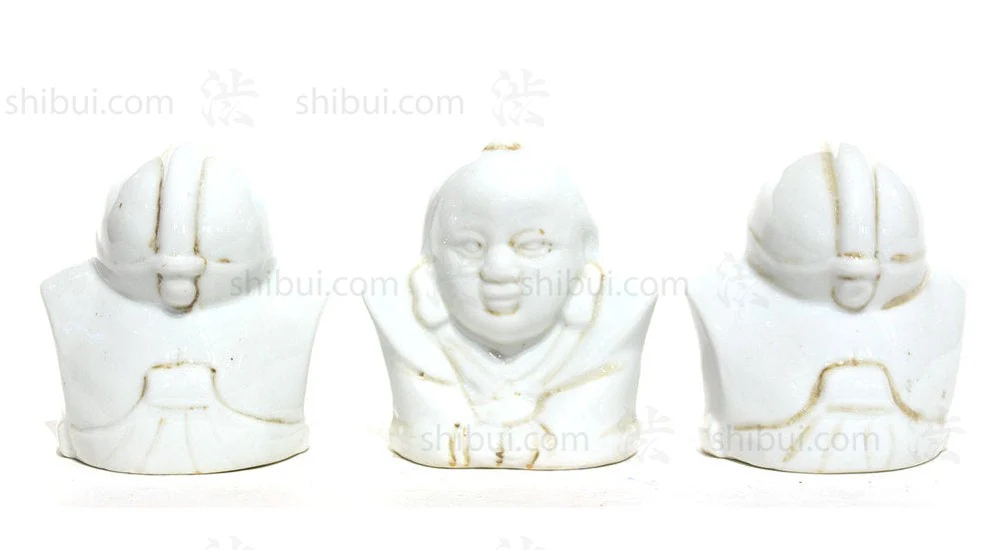
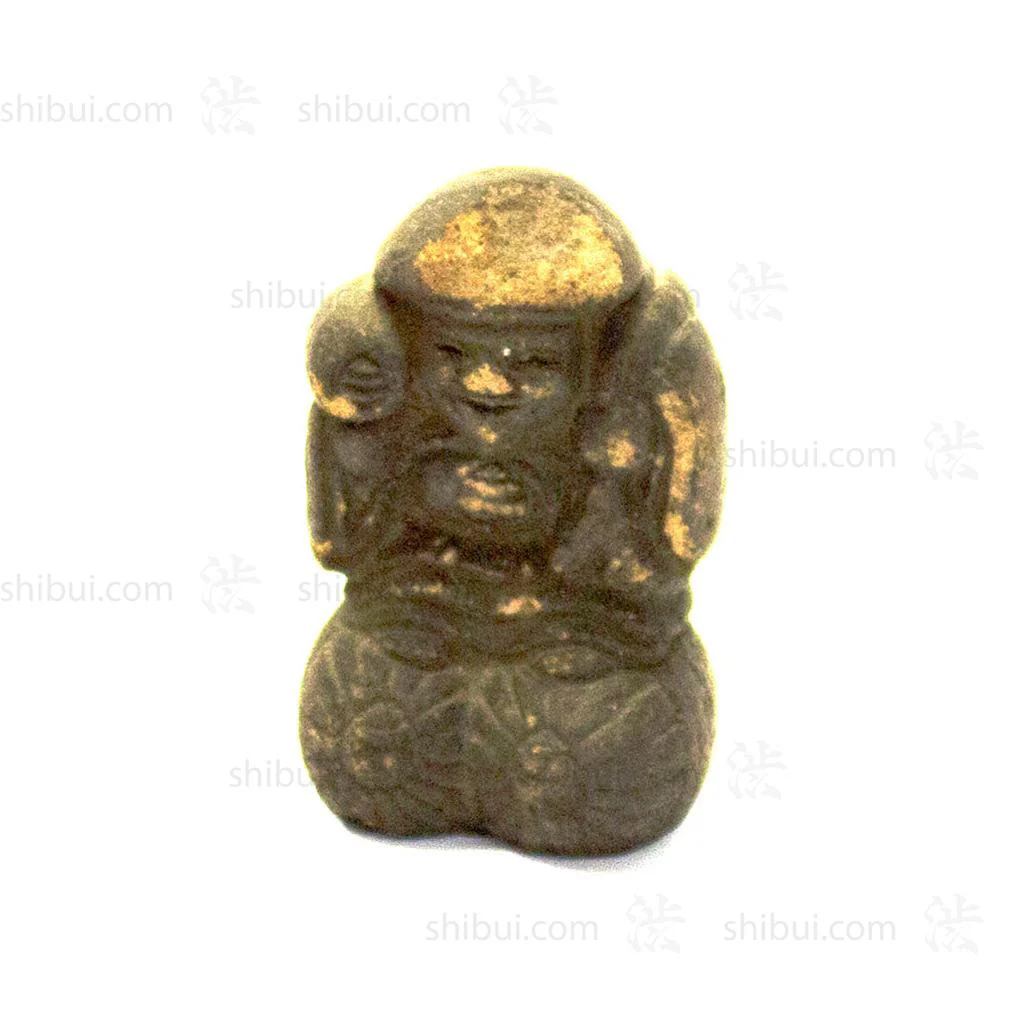
Pair of Daikoku and Ebisu, two of the Shichifukujin (Seven Lucky Gods). Often depicted together, they are considered symbols of prosperity and good fortune. Daikoku, the God of Wealth and Harvest, usually wears a black hat and stands on a bale of rice. He carries a large sack full of treasure and holds a small magic mallet. Ebisu is the god of fishermen and fortune, and the only one of the Seven Lucky Gods to originate in Japan without any Chinese or Hindu influence.
- Clay
- Meiji Era (1868-1912)
- 1.75" x 2.75" x 1.25" (width, height, depth)
More Images
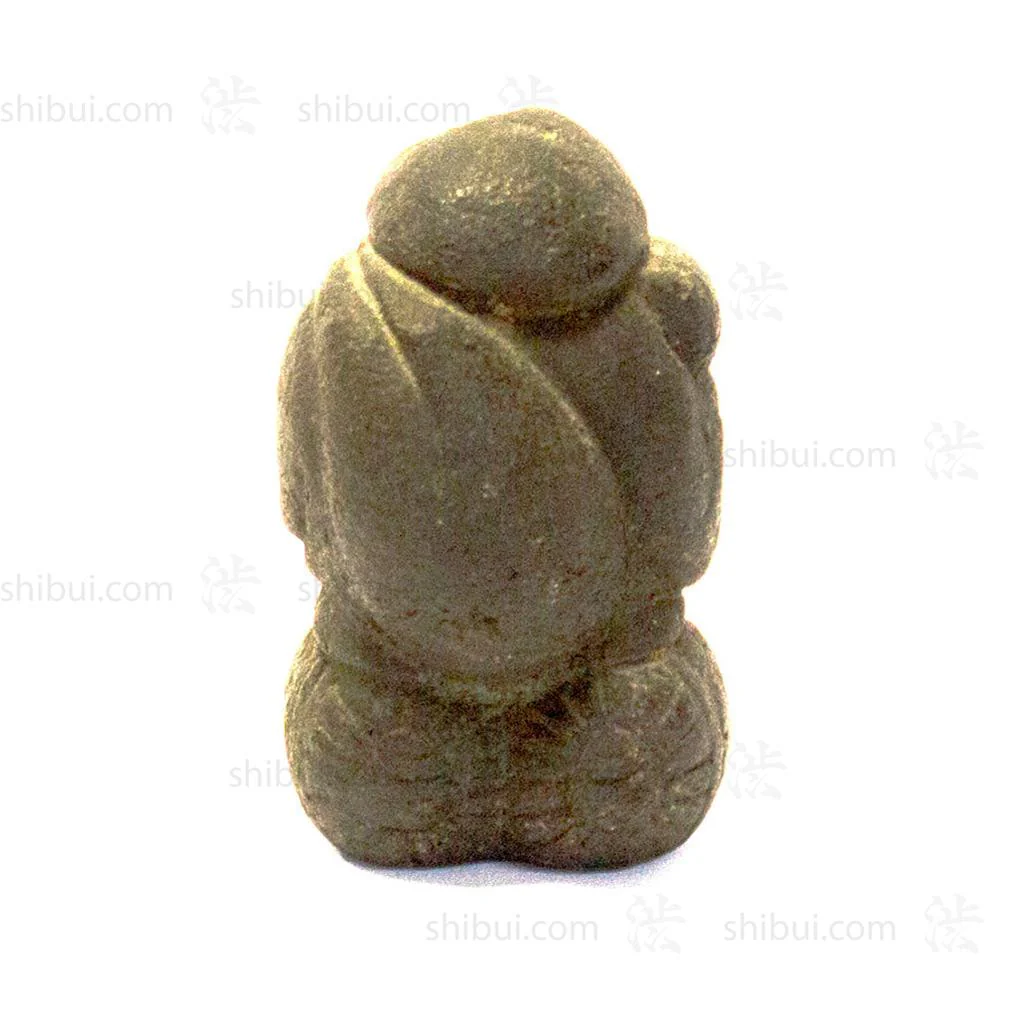
Clay Daikoku
Pair of Daikoku and Ebisu, two of the Shichifukujin (Seven Lucky Gods). Often depicted together, they are considered symbols of prosperity and good fortune. Daikoku, the God of Wealth and Harvest, usually wears a black hat and stands on a bale of rice. He carries a large sack full of treasure and holds a small magic mallet. Ebisu is the god of fishermen and fortune, and the only one of the Seven Lucky Gods to originate in Japan without any Chinese or Hindu influence.
- Clay
- Meiji Era (1868-1912)
- 1.75" x 2.75" x 1.25" (width, height, depth)
Product Information
Product Information
Shipping & Returns
Shipping & Returns
Description
Pair of Daikoku and Ebisu, two of the Shichifukujin (Seven Lucky Gods). Often depicted together, they are considered symbols of prosperity and good fortune. Daikoku, the God of Wealth and Harvest, usually wears a black hat and stands on a bale of rice. He carries a large sack full of treasure and holds a small magic mallet. Ebisu is the god of fishermen and fortune, and the only one of the Seven Lucky Gods to originate in Japan without any Chinese or Hindu influence.
- Clay
- Meiji Era (1868-1912)
- 1.75" x 2.75" x 1.25" (width, height, depth)